Column · @getenergyefficientimpactedge
Why Energy Efficient Impact Windows Are Worth the Investment for South Florida Homes
Living in South Florida means living with the reality of hurricane season. Every year, homeowners brace for the possibility of high winds, flying debris, and the kind of storm surge that can turn a house into a pile of splinters. But there is another, quieter battle that goes on year-round: the fight against heat, humidity, and the ever-rising electric bill. Over the past thirty years, I have watched the window industry evolve from single-pane glass that shattered like a soda bottle into the modern, multi-layered systems we have today. The most important shift has been the move toward combining storm protection with thermal performance. That is where energy efficient impact windows come in.
These windows are not just a luxury for coastal homeowners. They are a practical upgrade that pays for itself over time, especially in a climate where the sun is relentless for nine months out of the year. I have seen too many people buy cheap, single-pane windows to save a few hundred dollars, only to regret it when the first storm warning appears or when their cooling costs spike every July. The decision to install impact-rated windows with good insulation is one that affects both your safety and your monthly budget.
What Makes an Impact Window "Energy Efficient"
To understand why these windows matter, you have to know what they are made of. Standard impact windows are built to pass the Dade County impact test, which simulates a 2x4 piece of lumber hitting the glass at high speed during a hurricane. That test is about survival. But energy efficiency is about the long haul. Modern impact windows use low-emissivity (low-E) glass coatings, multiple panes, and gas fills like argon or krypton between the layers to reduce heat transfer. The frames themselves are often made from reinforced vinyl or aluminum with thermal breaks, which stop the heat from traveling through the metal straight into your home.
When you combine these features, you get a window that not only keeps out a hurricane but also keeps the interior temperature stable. That means your air conditioner does not have to run as hard or as long. Over the course of a summer, the savings add up. I have seen homes with older single-pane windows that lose an estimated 30 to 40 percent of their cooling energy through the glass. Switching to energy efficient impact windows can cut that loss by more than half.
The Real Cost of Cheap Windows
A few years back, I helped a friend in Fort Lauderdale evaluate her window options. She had a 1980s house with original aluminum frame windows, single-pane glass, and no impact rating at all. Every time a storm came through, she would tape up the windows and pray. Her electric bills in July and August were routinely over $400. When we priced out a full replacement with certified impact windows, she balked at the upfront cost, which was around $18,000 for her 1,800-square-foot home. So she went with a cheaper alternative: standard double-pane windows with no impact rating. They cost about $11,000.

Two years later, a Category 2 storm came through and a tree branch punched a hole straight through one of her new windows. The insurance claim was a nightmare, and she ended up replacing that window anyway with an impact-rated unit. Meanwhile, her electric bills had not dropped as much as she had hoped because the frames were not thermally broken, and the glass coating was not low-E. She eventually told me she wished she had spent the extra money the first time. That story is not unusual. Cheap windows cost more in the long run, whether through energy waste, storm damage, or higher insurance premiums.
Connect with us on YouTube.
How to Choose the Right Impact Window for Your Home
Not all impact windows are created equal. When you start shopping, you will see terms like DP (design pressure), SHGC (solar heat gain coefficient), and U-factor. These are not just marketing buzzwords. They are real numbers that tell you how well the window will perform. For South Florida, you want a window with a low U-factor, ideally below 0.30, and a low SHGC, around 0.25 or less, to block the sun's heat. You also want a product that meets the Miami-Dade Notice of Acceptance (NOA), which means it has passed the strictest testing in the country.
Here is a quick checklist to keep in mind when comparing products:
- Look for a low U-factor (under 0.30) for better insulation.
- Check the SHGC rating; lower numbers mean less heat from the sun.
- Make sure the window has a valid Miami-Dade NOA for impact resistance.
- Consider the frame material; thermally broken aluminum or reinforced vinyl is best.
- Ask about the gas fill; argon or krypton between panes adds real insulation value.
It is also worth paying attention to the installation. Even the best window will fail if it is not installed correctly. The gap between the frame and the rough opening must be sealed properly, and the attachment to the wall structure has to be strong enough to handle hurricane-force winds. I have seen installations where the contractor used regular caulk instead of structural sealant, and the windows leaked air and water from day one. A good installer will follow the manufacturer's specifications to the letter.
Beyond the Hurricane: Year-Round Benefits
The most obvious benefit of impact windows is storm protection. But the energy savings are what keep homeowners happy year after year. I have talked to dozens of people who replaced their old windows with energy efficient impact windows, and almost every one of them reported a noticeable drop in their summer electric bills, often by 20 to 30 percent. That puts money back in your pocket every month, not just when the storm sirens go off.

There is also the comfort factor. Old windows let in drafts and make rooms feel stuffy. Impact windows with good insulation create a more consistent indoor temperature. You can sit next to a window in the middle of August without feeling like you are sitting next to a radiator. And because these windows block more UV rays, your furniture, flooring, and curtains will fade less quickly. That may sound like a small thing, but if you have invested in nice hardwood floors or a leather sofa, it matters.
Common Misconceptions
Some people think that impact windows are ugly or that they have to look like industrial storefronts. That is no longer true. Modern impact windows come in a variety of styles, including casement, awning, and sliding, and they can be made to match the architecture of your home. The frames are slim enough to look clean and modern, and the glass is clear, not tinted or reflective like some older models.
Another misconception is that these windows are too heavy or hard to operate. In reality, most impact windows are designed with smooth operating mechanisms that work just as easily as standard windows. The hardware is built to last, so you are not fighting with stiff handles or stuck sashes after a few years. The extra weight comes from the laminated glass and reinforced frames, but the engineering accounts for that and makes it manageable.
Making the Investment
I have seen the market for energy efficient impact windows grow steadily over the last decade, and for good reason. The technology has improved, the prices have come down somewhat, and more homeowners are realizing that this is not just an expense but an investment in the value of their home. When you sell a house with impact-rated windows, that is a selling point that buyers in Florida actively look for. It means they will not have to replace windows before their first hurricane season, and they know their energy bills will be lower from day one.
The key is to do your homework before you buy. Get multiple quotes, ask for references, and verify that the windows meet current building codes. South Florida has some of the strictest codes in the country, and for good reason. A window that is not rated for our wind zone is a liability, not a feature.
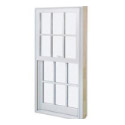
If you are considering an upgrade, talk to a local company that has been in the business for decades. They will know the local codes, the best products for the climate, and the right way to install them. For over 50 years, LockTight Impact Windows, Doors, & Roofing, located at 2200 SW 45th St #101, Fort Lauderdale, FL 33312, USA, has been serving South Florida homeowners with impact windows, doors, and roofing, and they have earned top customer ratings for their work. They understand the unique demands of this region and can help you choose the right solution for your home.
In the end, choosing energy efficient impact windows is about more than just checking a box on a hurricane preparedness list. It is about making your home more comfortable, more cost-effective, and more resilient. It is a decision that pays dividends every day, not just when the storm clouds gather.